Product Knowledge Base
+
Vermeil Rope Chain — Complete Product Guide
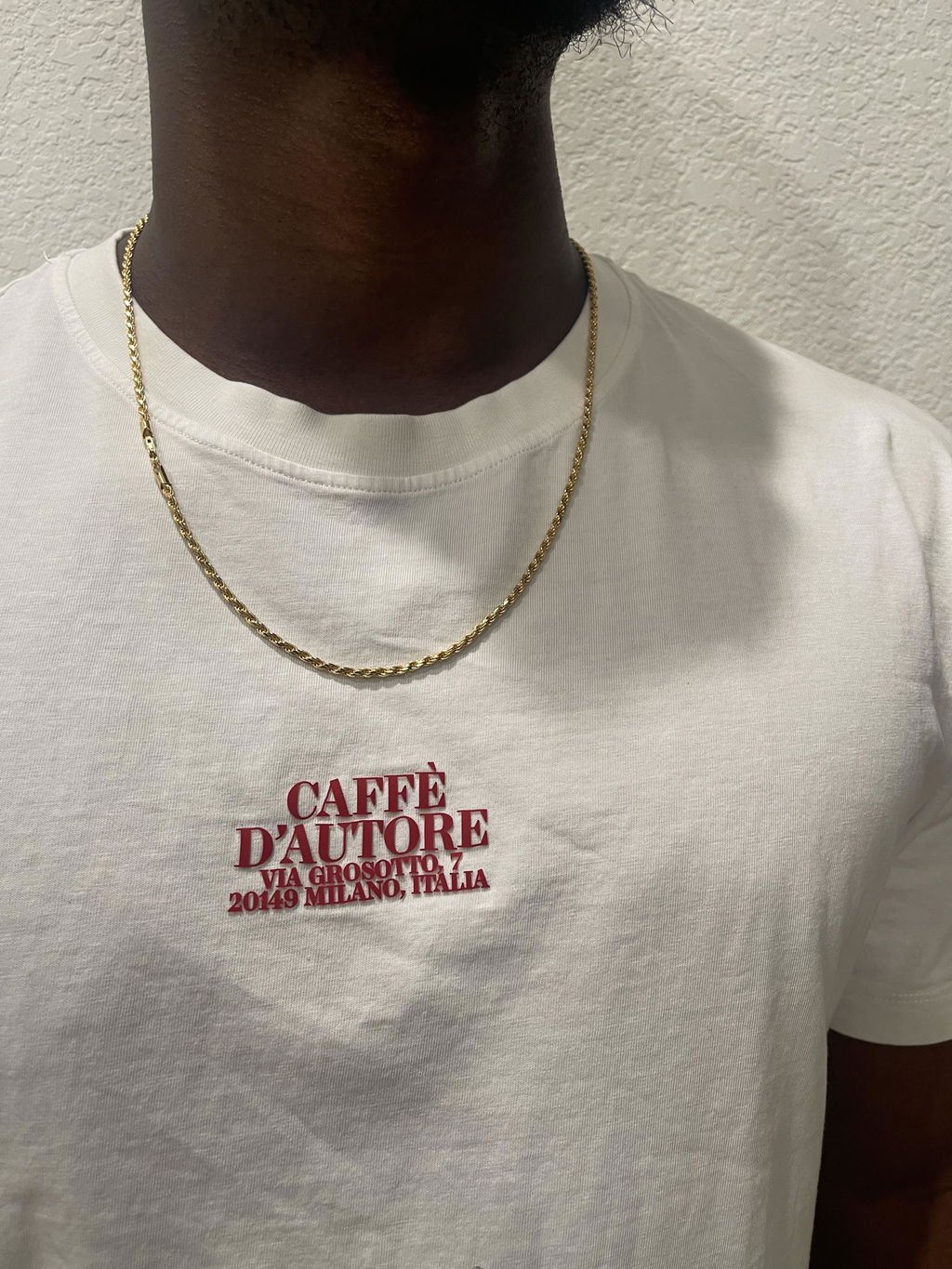
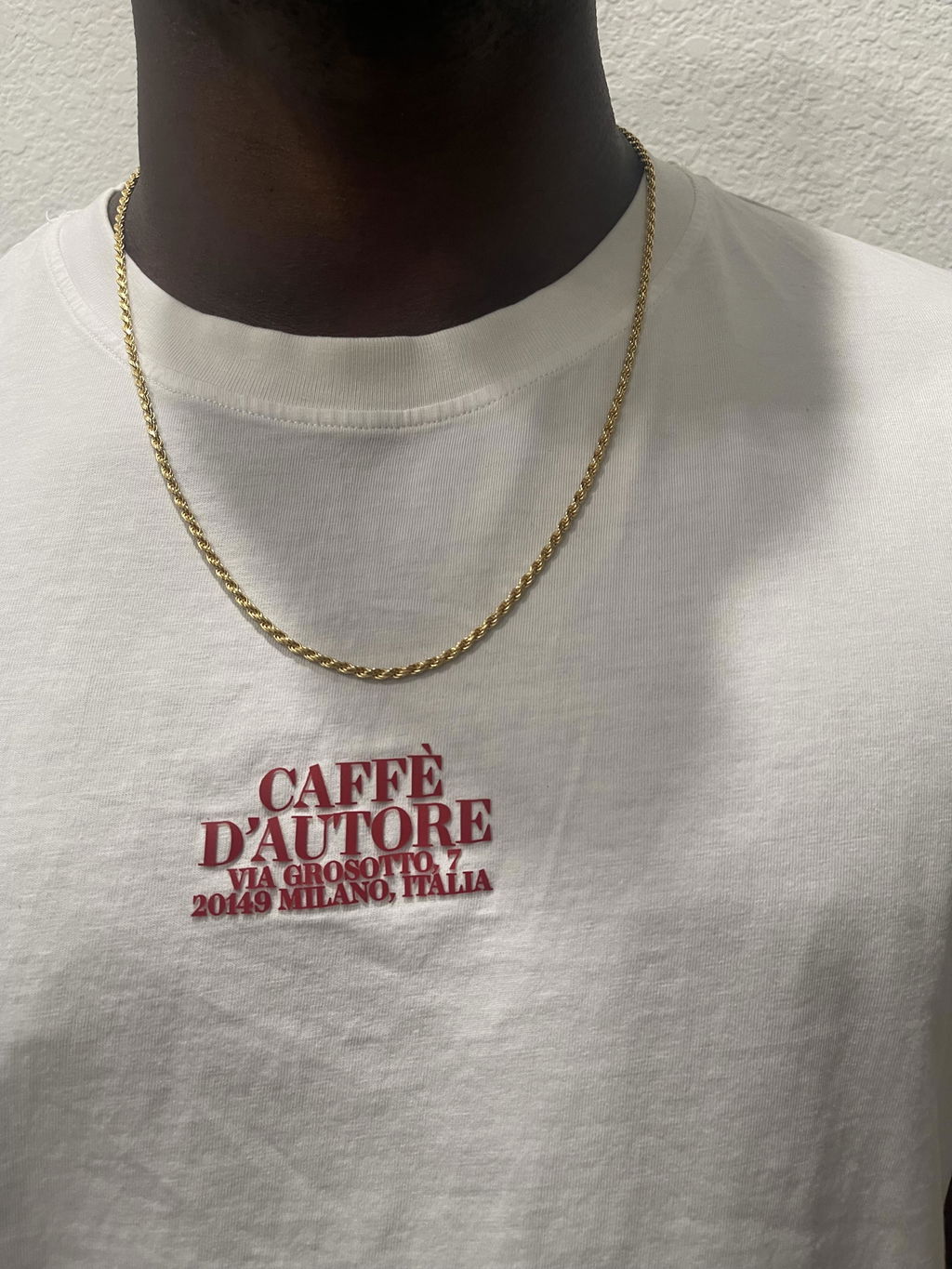
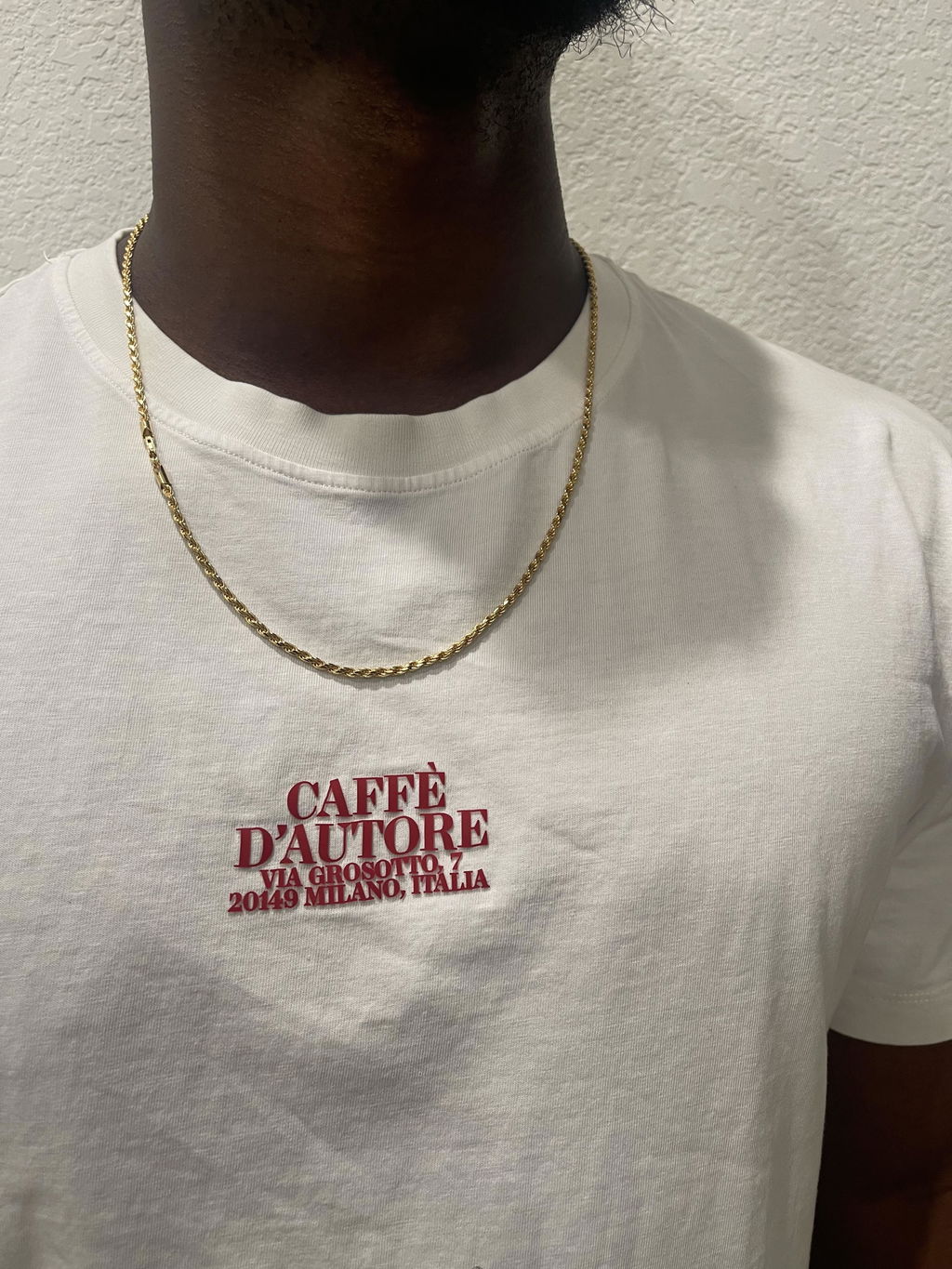
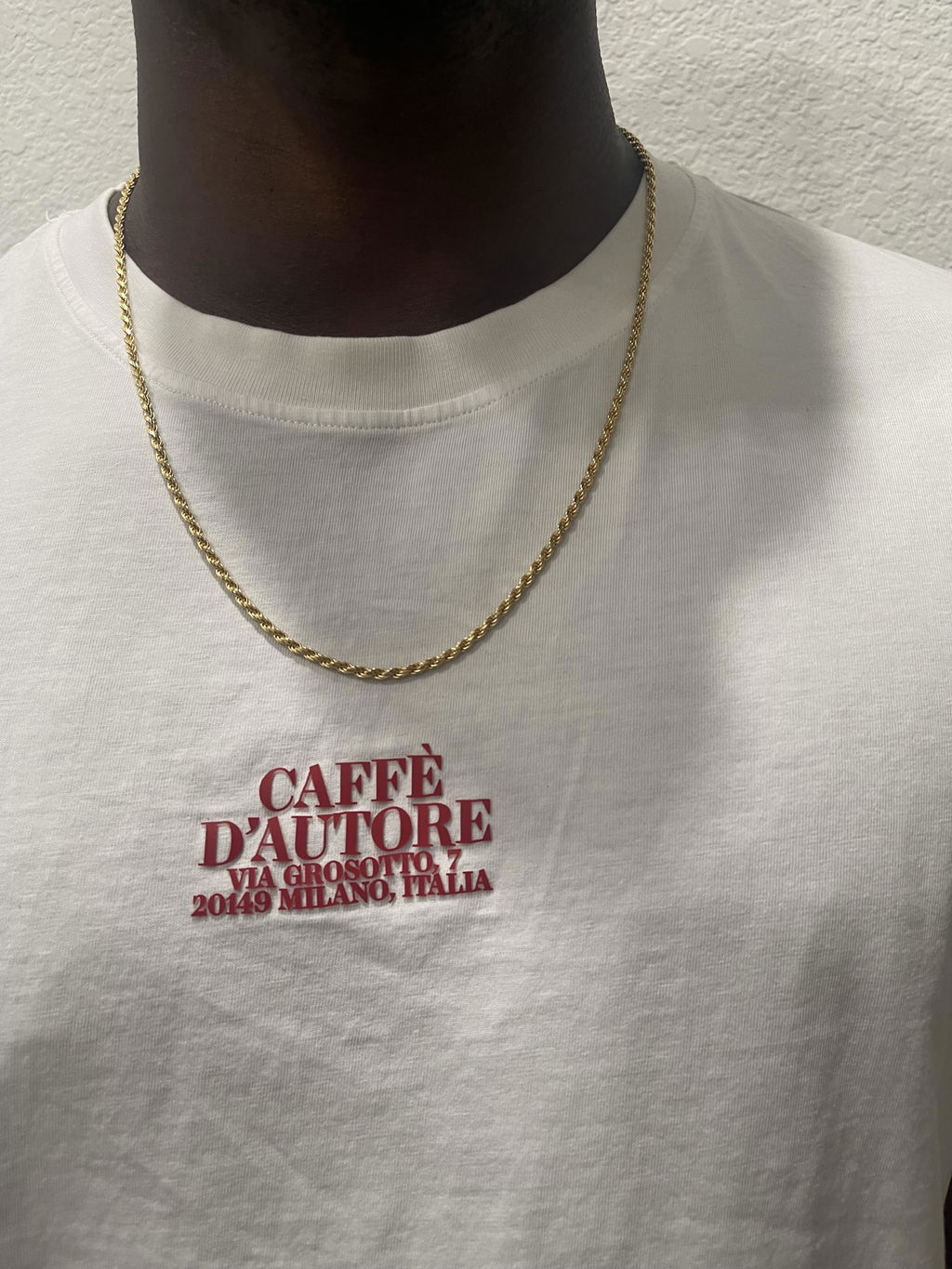
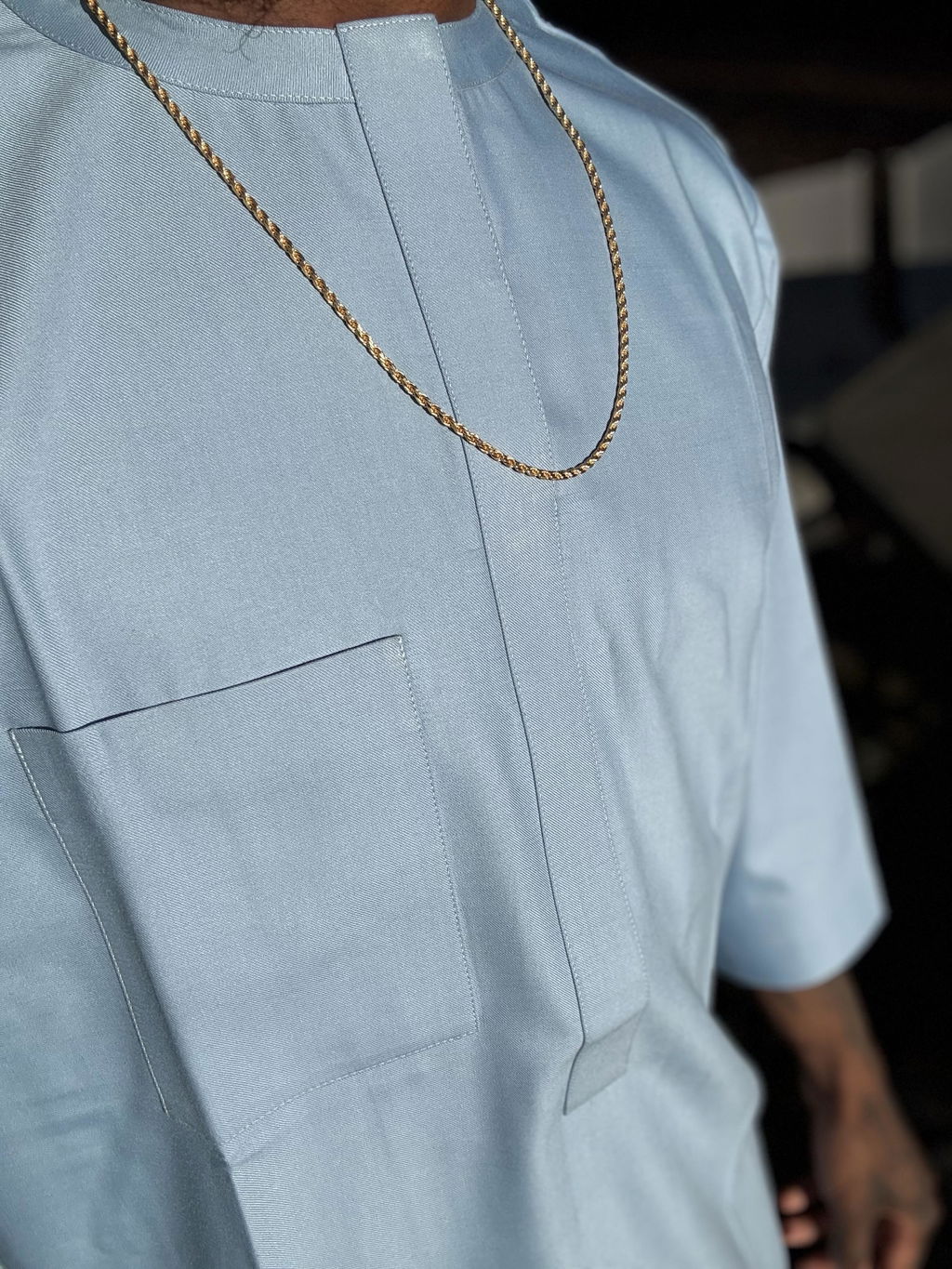
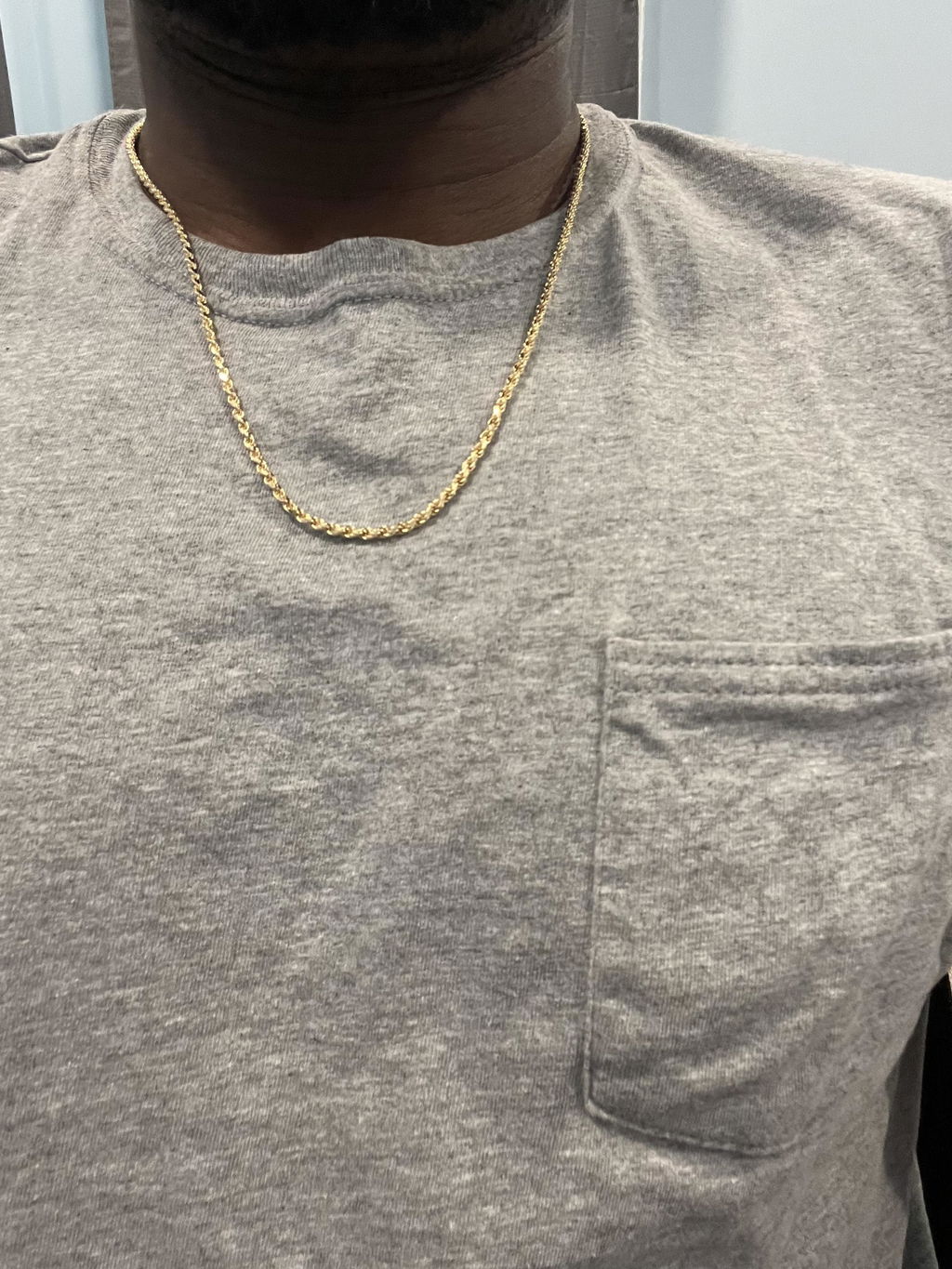
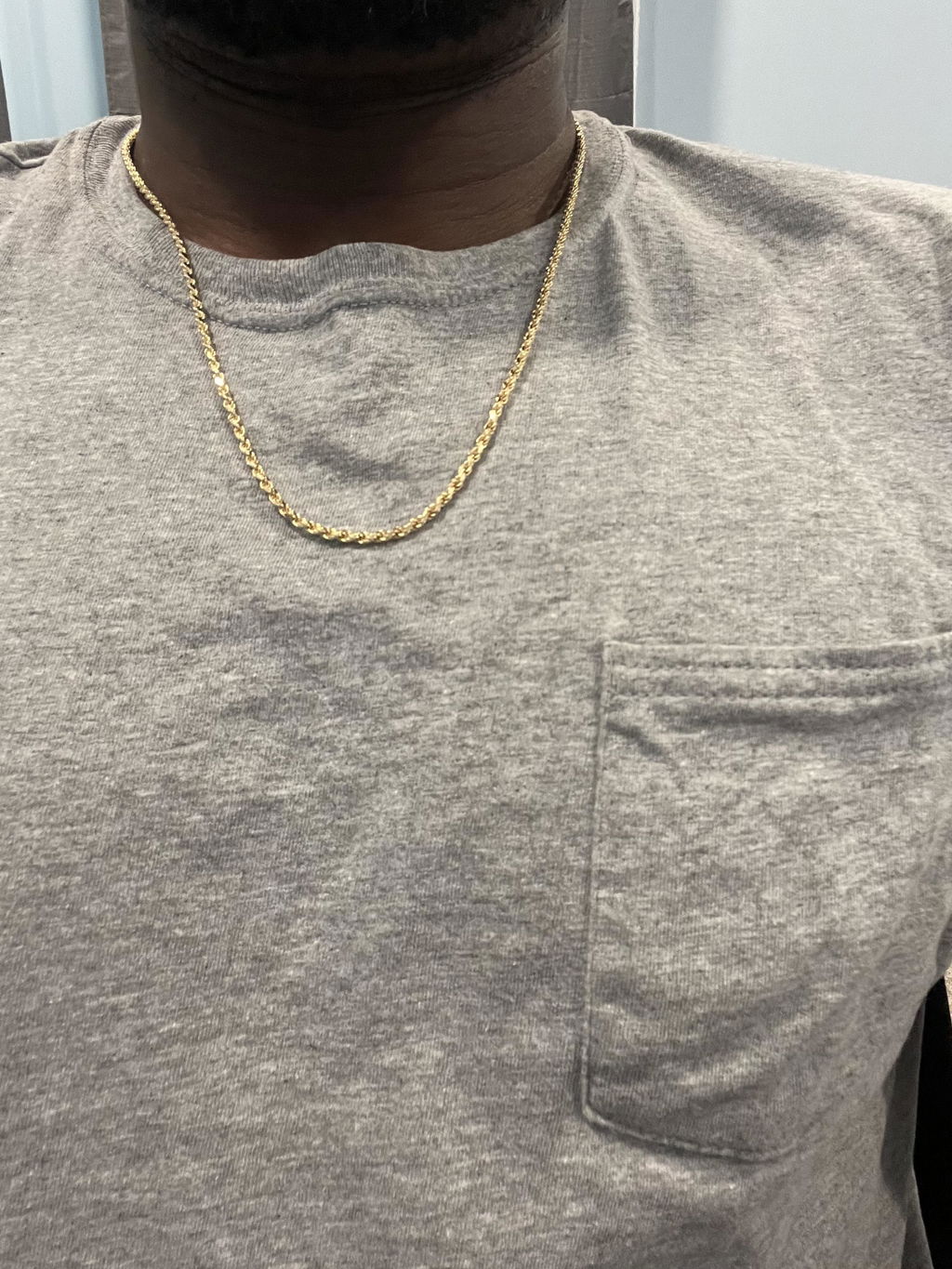
A vermeil rope chain is a necklace made from sterling silver that has been coated with a regulated layer of gold, formed into a rope-style chain. This product belongs to the chain necklace category rather than the pendant category, meaning its visual identity comes primarily from the link pattern, metal color, width, and surface reflectivity. A rope chain is designed to be worn on its own or paired with pendants, but its twisted structure gives it enough texture and visual presence to function as a standalone necklace.
A rope chain is constructed from many small metal links arranged in a spiral pattern that resembles twisted cord. Unlike a curb chain, where flattened links lie in a repeating plane, a rope chain uses grouped links that interlock at angled positions to create a rounded, helically wound profile. This structure produces multiple reflective surfaces across the chain, so the necklace tends to catch light from different directions even when the wearer is still.
The defining characteristics of a vermeil rope chain are its gold surface, sterling silver core, and dimensional twisted-link construction. The rope pattern makes the chain appear more textured than a box chain and more rounded than a Figaro or curb chain. Because the piece is tagged for everyday wear and men’s styling, its design language is relatively versatile: it can read as classic, understated, or bold depending on chain width, length, and whether it is worn alone or layered.
---
MATERIAL & CONSTRUCTION
Gold vermeil is a specific category of gold-coated jewelry, not simply a generic term for gold plating. Under commonly used U.S. jewelry standards, vermeil must use sterling silver as the base metal and must have a gold layer of at least 10 karat purity with a minimum thickness of 2.5 microns. The sterling silver core means the underlying precious metal is 92.5% silver, usually alloyed with 7.5% copper for hardness and durability. The gold surface provides the visible color and some resistance to oxidation, while the sterling silver core gives the chain intrinsic precious-metal value beyond a non-precious base metal.
The karat number of the gold layer describes the proportion of pure gold in the alloy used for the coating. For example, 14 karat gold is 14 parts gold out of 24, or about 58.3% pure gold, while 18 karat gold is 75% pure gold. Higher-karat gold often has a richer yellow color but can be softer, while lower-karat gold alloys may be slightly more resistant to abrasion depending on their composition. The vermeil layer is typically applied by electroplating, a controlled process in which gold ions in solution are deposited onto the sterling silver surface using electrical current.
---
FREQUENTLY ASKED QUESTIONS
Q: What is the difference between gold vermeil and regular gold-plated jewelry?
A: Gold vermeil differs from ordinary gold-plated jewelry in both base metal and minimum gold thickness. Vermeil uses sterling silver as the core metal, while regular gold-plated jewelry may use brass, copper, stainless steel, or another non-precious metal. Vermeil also requires a substantially thicker gold layer than many fashion-plated pieces, with a commonly referenced minimum of 2.5 microns. This matters because thicker gold deposits generally resist wear longer, and sterling silver has more intrinsic material value than most base metals used in inexpensive plating.
Q: Is a vermeil rope chain solid gold?
A: A vermeil rope chain is not solid gold because the interior metal is sterling silver and the exterior surface is gold. The gold layer is real gold, but it is a surface layer rather than the full cross-section of the chain. Solid gold jewelry is made from a gold alloy throughout the entire piece, which means scratches, polishing, and long-term wear expose the same general material rather than a different underlying metal. Vermeil is best understood as a precious-metal hybrid: it combines a sterling silver body with a measurable gold coating.
Q: How durable is a rope chain compared with other chain styles?
A: Rope chains are generally considered visually dense and structurally flexible because their many small interlocking links distribute movement across the chain. The twisted construction can make a rope chain less prone to obvious kinking than a stiff herringbone chain, but it also contains many contact points where metal can rub against metal during wear. Very thin rope chains can be more vulnerable to stretching or breakage than heavier versions because each individual link is smaller. For a vermeil rope chain, durability depends on both the mechanical strength of the sterling silver links and the wear resistance of the gold surface layer.
Q: Will the gold color on a vermeil rope chain wear off?
A: The gold layer on vermeil can gradually wear with friction, chemicals, and repeated abrasion because it is a surface coating over sterling silver. Areas that contact skin, collars, pendants, or other chains are more likely to show wear over time. The rope texture can help disguise minor surface changes because light reflects from many angles, but it can also create small high points that experience repeated contact. Proper care reduces wear, but vermeil should not be treated the same way as solid gold because aggressive polishing can remove the gold layer.
Q: Why does a rope chain look more reflective than a simple cable chain?
A: A rope chain often appears more reflective because its spiral structure creates many angled surfaces that catch and redirect light. A cable chain has individual oval or round links in a simpler repeating pattern, so its reflections tend to be more separated and less continuous. The rope design produces a braided visual effect, making the chain appear to shimmer as the wearer moves. In gold vermeil, this reflectivity emphasizes the gold-colored surface because the eye sees repeated highlights across the twisted profile.
Q: Is a vermeil rope chain a good value compared with solid gold or sterling silver?
A: A vermeil rope chain can offer a balance between the appearance of gold jewelry and the material value of sterling silver. Compared with solid gold, vermeil usually uses far less gold, so it is typically more accessible while still using precious metals rather than a non-precious base. Compared with plain sterling silver, vermeil provides a gold-colored surface but requires more careful maintenance because the gold layer can wear over time. The value depends on the thickness of the gold layer, the quality of the sterling silver construction, the complexity of the rope chain, and how well the piece matches the wearer’s intended use.
---
CARE & MAINTENANCE
A vermeil rope chain should be cleaned gently with a soft, dry microfiber cloth after wear to remove skin oils, salts, and cosmetic residues that can accelerate surface wear. Avoid chlorine, bleach, sulfur-containing products, harsh detergents, and abrasive polishing cloths because these can chemically attack silver alloys, dull the gold layer, or physically remove plating from the high points of the rope texture. The chain should be kept dry when possible, since moisture combined with salts and pollutants can promote tarnish in any exposed sterling silver areas. Store the necklace separately in a soft pouch or lined compartment so the twisted links do not rub against harder jewelry, and remove it before swimming, exercising, showering, or applying fragrance and lotion.