J.Collins Metals Guide: Choosing Your Perfect Metal
The metal you choose for a piece of fine jewelry shapes its entire character — how it catches light, how it wears across a decade, whether it marks the occasion it was bought for or becomes something you reach for every day. At J.Collins, we work with four precious metal families. This guide exists so you understand what you are buying before you buy it.
Understanding Karat Purity
Pure gold — 24 karat — is too soft for jewelry that will be worn regularly. Jewelers alloy it with copper, zinc, palladium, or nickel to create metals that hold their shape under daily wear and resist scratching. The karat number expresses how much of the alloy is pure gold: 14K is 58.5% pure; 18K is 75% pure. The remaining percentage is the blend of other metals that gives each alloy its specific color, hardness, and feel.
Sterling silver follows the same logic: stamped 925, it is 92.5% pure silver alloyed with copper for strength.
Yellow Gold

14K Yellow Gold Lab Diamond Necklace. Shop Yellow Gold →
Yellow gold is the classic. It is the color most people picture when they think of fine jewelry, and its warm, rich tone has remained the standard for thousands of years for good reason — it ages beautifully, holds its character without maintenance, and complements a wide range of skin tones.
At J.Collins, yellow gold is available in 10K, 14K, and 18K. For pieces worn every day — chains, bracelets, rings — 14K strikes the best balance of warmth, durability, and value. It is harder than 18K and holds up to daily wear without requiring any special care. If you prefer a deeper, richer gold tone and are choosing a piece that will see less daily impact — a pendant, a pair of earrings, a solitaire setting — 18K delivers a noticeably more saturated color and a softer feel against the skin.
The difference between 14K and 18K yellow gold is subtle but real. Side by side, 18K reads warmer and richer. If the color of the gold is your primary reason for buying, 18K is worth the consideration.
Rose Gold

18K Rose Gold Lab Diamond Ring — 1.14ct. Shop Rose Gold →
Rose gold gets its color from copper — the more copper in the alloy, the deeper the blush. There is no dye, no coating, no plating involved. The pinkish-rose tone is inherent to the metal itself, which means it never fades or wears through the way a surface finish can.
That is one of rose gold's defining advantages. Unlike white gold, which is rhodium-plated to achieve its bright silver appearance, rose gold looks exactly the same on day one as it does five years later. If anything, the copper content develops a subtle warmth with time that many collectors find more appealing than the original.
The copper addition also makes rose gold slightly harder than yellow gold of the same karat, which is worth knowing if you are choosing a metal for a ring that takes daily impact. Available in 14K and 18K — 18K rose gold carries a higher gold content with less copper, which produces a softer, more delicate blush compared to the warmer, more saturated pink of 14K.
White Gold

10K White Gold Lab Diamond Earrings — 1.018ct. Shop White Gold →
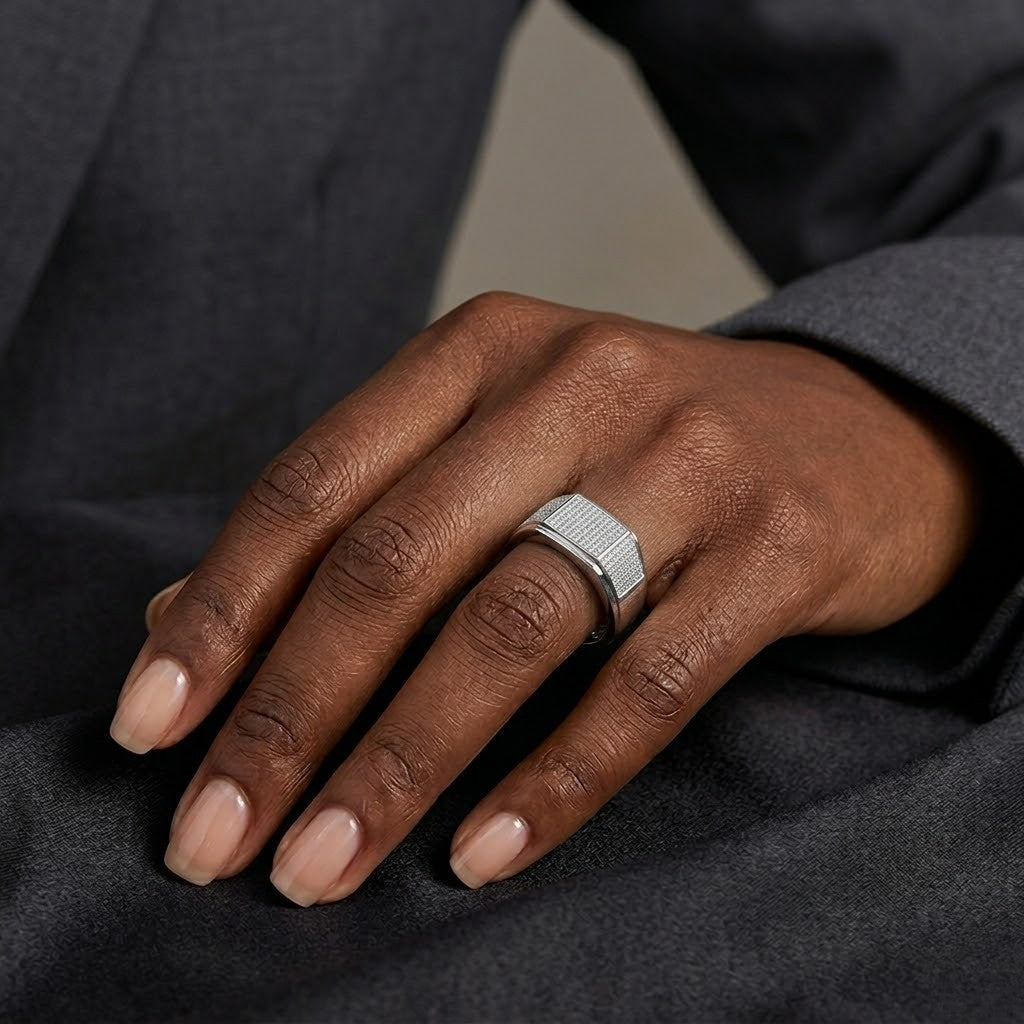
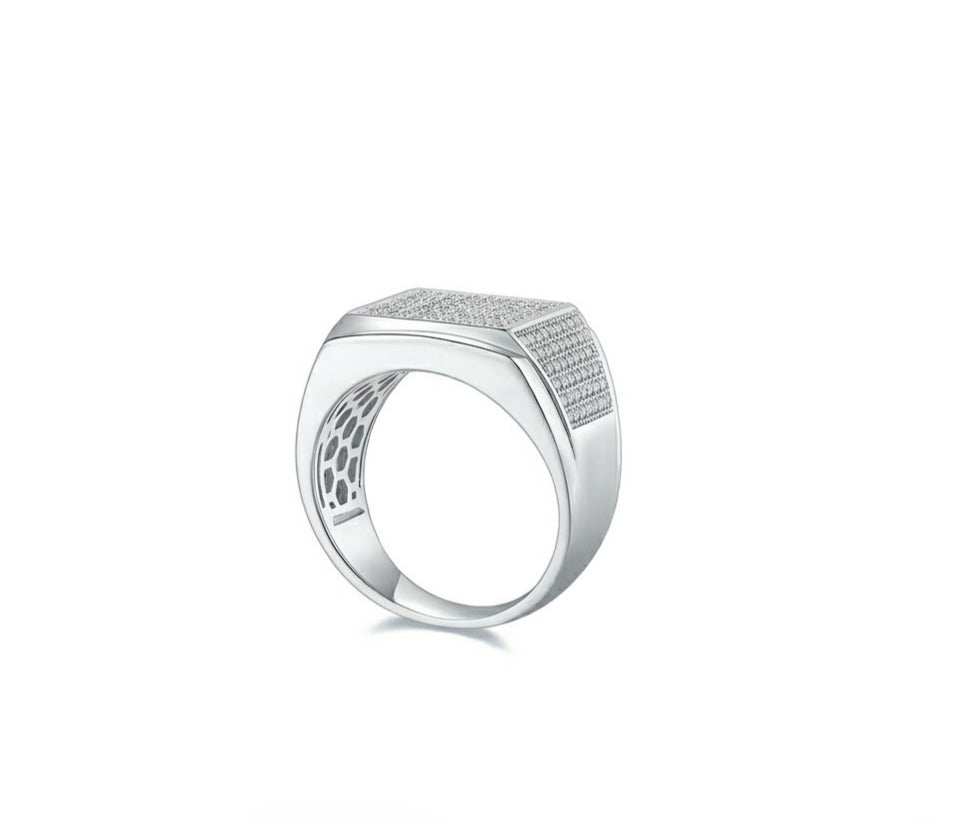
White gold is created by alloying pure gold with palladium, nickel, or silver — metals that shift the color away from yellow toward a cooler, silver-white tone. The piece is then finished with a thin coat of rhodium, a rare metal from the platinum family, which gives it a mirror-bright surface, adds hypoallergenic protection, and maximizes the light return in diamond and moissanite settings.
The result is a metal that carries the substance of gold with the contemporary brightness of platinum at a fraction of the price. It is particularly well suited to stone settings where the color of the metal directly affects how the stone reads — a white gold prong setting disappears into the diamond, letting the stone take center stage.
One thing worth knowing: the rhodium finish is a coating, not a permanent property. With daily wear it can gradually thin, allowing the warmer gold tone beneath to show through. Re-plating is a quick, inexpensive jeweler service that restores the piece to its original brightness. For earrings and pendants worn without constant friction, the plating lasts considerably longer than for rings.
18K Gold

18K Yellow Gold Lab Diamond Bracelet. Shop 18K Gold →
18 karat gold — whether yellow, rose, or white — contains 75% pure gold, making it the richest alloy we work with at J.Collins. The higher gold content produces a deeper, more saturated color that is immediately distinguishable from 14K when the two are placed side by side. It also means less base metal in the alloy, which is why 18K is the recommended starting point for anyone with metal sensitivities or skin that reacts to lower-karat pieces.
The trade-off is hardness. Because 18K has more pure gold and less of the harder alloy metals, it is softer than 14K and will show fine surface marks more quickly on pieces that take daily impact — particularly rings. For a bracelet like the one pictured, a pendant necklace, or a pair of earrings, that softness is not a practical concern. The richness of 18K is most worth the investment when the piece will be worn in a way that lets you appreciate the color without the constant friction that accelerates surface wear.
Sterling Silver

0.5ct Crown Cut Snowflake Studs — Sterling Silver. Shop Sterling Silver →
Sterling silver — stamped 925 — is 92.5% pure silver alloyed with copper for strength. It is not a lesser version of gold; it is a different material with its own character. Its cool, bright brilliance is distinctly its own, and it suits statement pieces, everyday studs, and designs that benefit from the contrast of a clean silver tone.
Silver develops a patina over time as it reacts with air and moisture. A soft cloth and two minutes of polishing restores its original shine. Many collectors do not bother — the patina reads as depth, not neglect.
At J.Collins, our sterling pieces are 925-stamped and inspected to the same standard as our gold collection. If you are building your first fine jewelry wardrobe and want to start with real precious metal at an accessible price point, sterling silver is the right starting point.
How to Choose

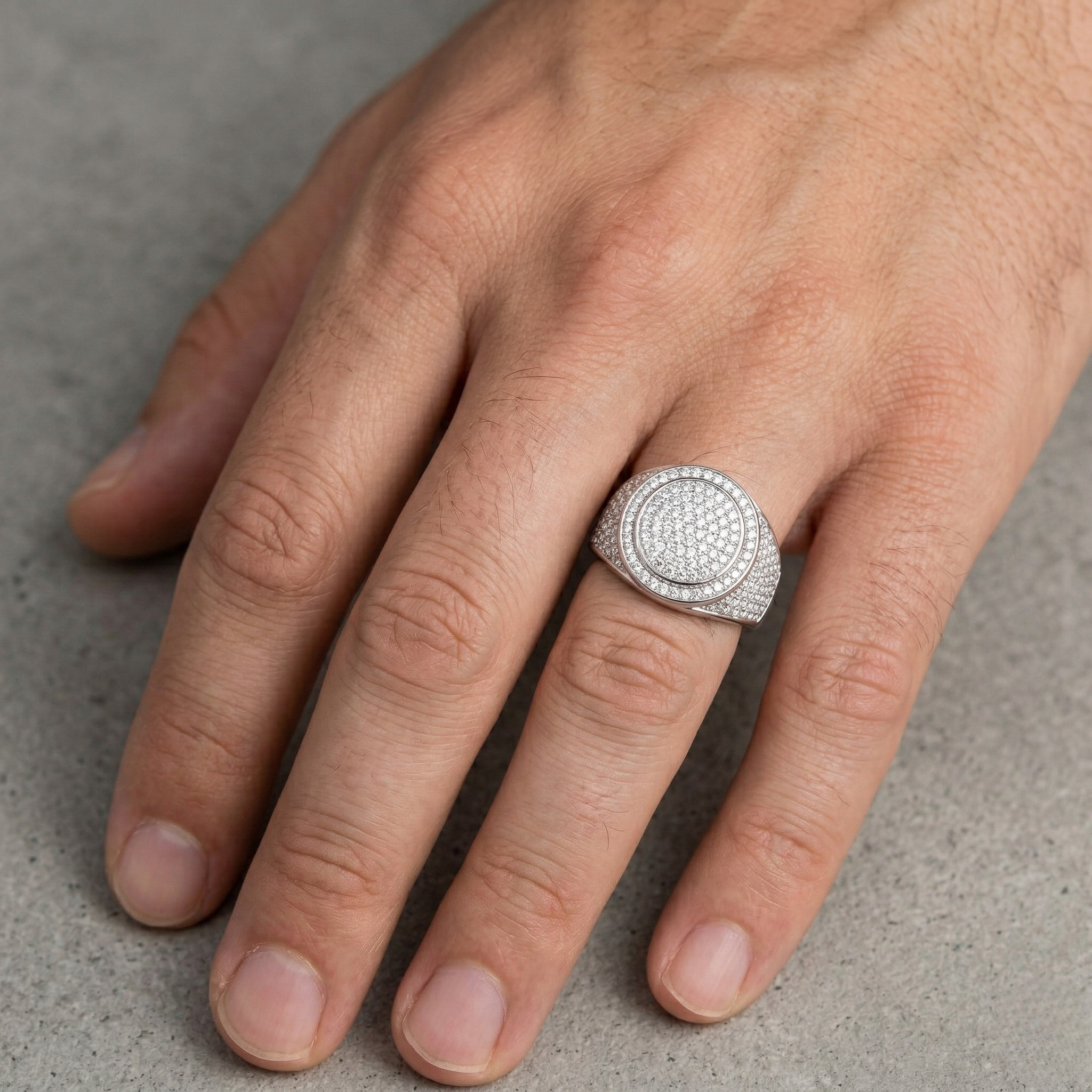
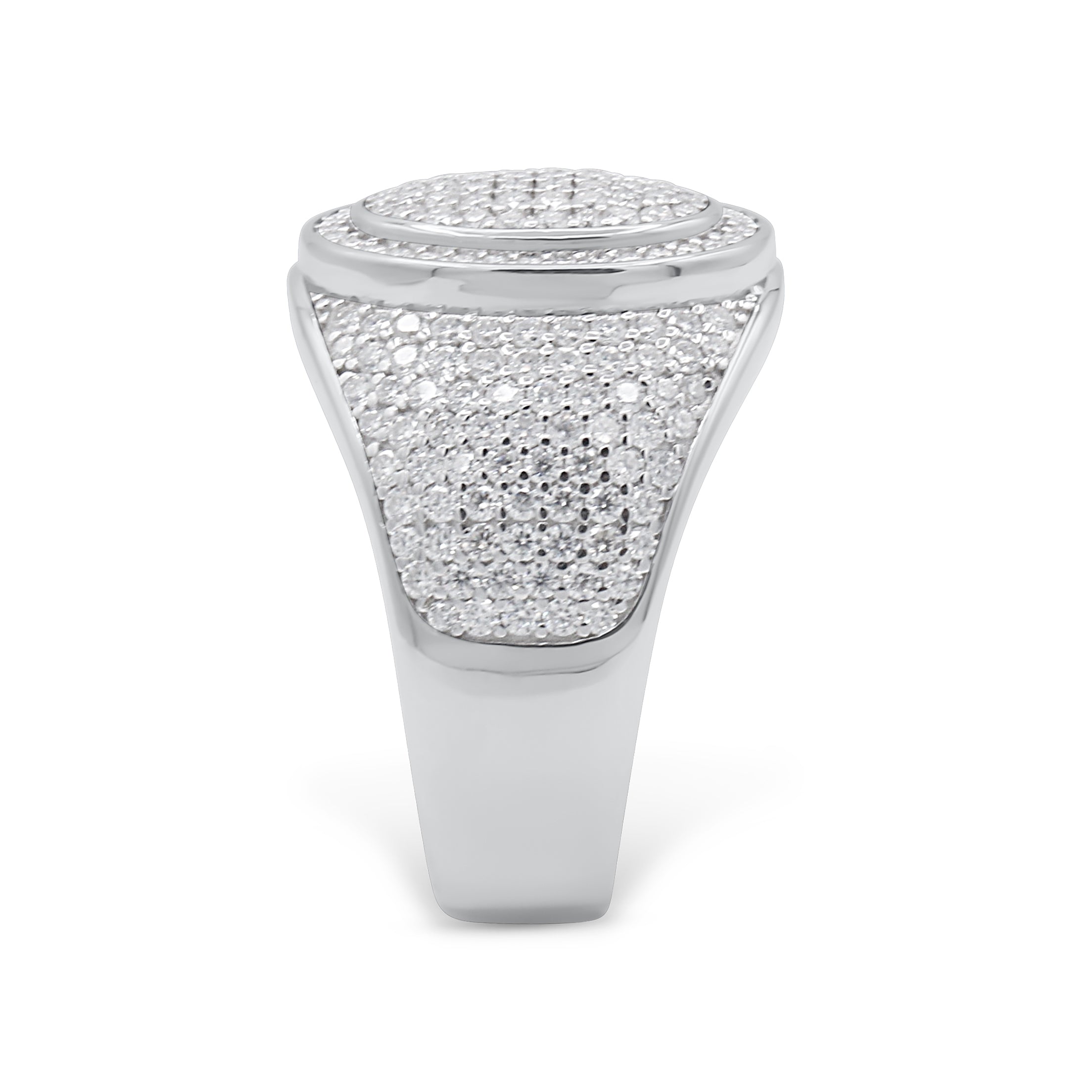
Yellow gold, rose gold, white gold, and sterling silver — four metals, four distinct characters.
- You wear jewelry daily and want maximum durability — 14K yellow or rose gold. It takes daily wear without needing attention.
- You want the richest possible gold color — 18K. The color difference over 14K is real and worth the step up.
- You want maximum brightness around a diamond or moissanite — White gold. Nothing reflects a stone’s fire like it.
- You want warmth without any plating maintenance — Rose gold. The color lives in the alloy, not a coating.
- You are starting a collection or shopping at an accessible price — Sterling silver. Real precious metal, real quality.
- You have sensitive skin — 18K gold first, then nickel-free white gold, then sterling silver. Lower alloy content means fewer reactions.
Frequently Asked Questions
Will gold scratch?
All precious metals develop fine surface marks over time — that is normal and expected. 14K gold is harder than 18K, so it resists scratching better for daily-wear pieces. A jeweler can polish surface marks away when they become noticeable.
Can you mix metal tones?
Yes, intentionally. Stacking a rose gold ring, a yellow gold band, and a white gold piece creates a layered, high-contrast look that reads as curated rather than mismatched. The contrast is the point.
What gives rose gold its color?
Copper. The more copper in the alloy, the deeper the blush. There is no dye or surface coating — the color is inherent to the metal composition.
Does white gold turn yellow over time?
The rhodium coating can thin with daily wear, allowing the warmer gold tone beneath to show through. Re-plating — a routine, low-cost jeweler service — restores it fully.
What is the difference between 14K and 18K?
Purity and color. 14K is 58.5% pure gold — harder, more durable, better for daily-wear rings and bracelets. 18K is 75% pure gold — richer in color, gentler on sensitive skin, and best suited to pieces that won’t take constant friction.
Is sterling silver a lesser metal than gold?
No. It is a different precious metal with different properties. Its cool brightness is a characteristic, not a compromise. The choice between silver and gold is about aesthetics and durability requirements, not quality.
Ready to Choose?
Every J.Collins piece is stamped with its purity marking — 10K, 14K, 18K, 925 — because you should know exactly what you are wearing. Our metals are ethically sourced, every finish is inspected before shipping, and every order is backed by our lifetime warranty.
If you have questions about which metal is right for your next piece, our team is available seven days a week.
Explore the Full J.Collins Collection →
Reach us directly: support@jcollinsjewelry.com · +1 (469) 609-7524